
For patients
Your anesthesia, explained.
If Chiron Anesthesia is caring for you, you'll meet me before your procedure. Here's what a CRNA is, what to expect, and how to get ready.
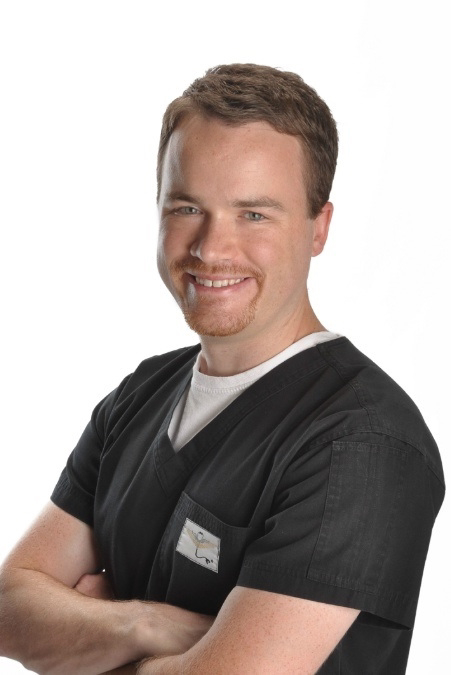
What is a CRNA?
A nurse who specializes in anesthesia.
A Certified Registered Nurse Anesthetist (CRNA) is an advanced practice registered nurse trained to give every kind of anesthesia — general anesthesia, sedation, and regional and spinal anesthesia. CRNAs have cared for patients in the United States for more than 150 years, in hospitals, surgery centers, and doctors' offices.
I've been a CRNA since 2016. Before that, I spent years in pediatric intensive care and critical care transport. I care for patients of every age, from infants to older adults.
How CRNAs are trained
- Become a registered nurse with a bachelor's degree
- Work at least a year in critical care, caring for the sickest patients
- Complete graduate anesthesia training — new CRNAs now earn a doctoral degree
- Pass a national board exam, then recertify throughout their careers
What to expect
I'm with you from start to finish.
- Before
We talk
I review your health history, medications, and any past experience with anesthesia. I explain your anesthesia plan and its risks, answer your questions, and ask for your consent.
- During
I stay with you
I'm at your side for the entire procedure, continuously watching your breathing, oxygen level, heart rhythm, and blood pressure, and adjusting your anesthesia as needed.
- After
You recover safely
I hand off your care in recovery and make sure your pain and any nausea are under control before you go home with a responsible adult.
How to prepare
A few things make a big difference.
- Follow your eating and drinking instructions exactly. Your surgeon's office will tell you when to stop. If you're unsure, call them — don't guess.
- Share every medication and supplement. That includes blood thinners, diabetes medicines, and weekly injections.
- Mention your history. Tell us if you have sleep apnea, have had a bad reaction to anesthesia, or have a family member who did.
- Arrange your ride. An adult needs to drive you home, and ideally stay with you that evening.
- Take it easy for 24 hours. Don't drive, drink alcohol, or make important decisions until the next day.
Safety
Is anesthesia safe?
Anesthesia is far safer than it was a generation ago, and serious complications are rare. Your own risk depends on your health and your procedure, and we'll talk it through before you start.
Not every procedure belongs in an office. If your health means a surgery center or hospital is the safer place, I'll say so, and help your surgeon's office plan for it.
Common questions
What patients ask me most.
Will I be asleep?
It depends on your procedure. With sedation, you're relaxed and comfortable and may remember little of it. With general anesthesia, you're fully asleep. We'll decide together before your procedure.
Could I wake up during surgery?
Waking up during general anesthesia is rare. I monitor you continuously and adjust your anesthesia throughout. With sedation, feeling drowsy but aware at times is normal and expected.
Will I feel sick afterward?
Some people do. If you've felt sick after anesthesia before, or you get motion sickness, tell me. There are medicines that help prevent it.
Who do I call with questions before my procedure?
Start with your surgeon's office. They can reach me before your procedure if you have anesthesia questions.
Want to learn more? The American Association of Nurse Anesthesiology has a patient guide: All about anesthesia.

Questions about your procedure?
Your surgeon's office is the best first call — they have your chart and can reach me before your procedure.
For your privacy, please don't send medical information through this website or by email.